
Equipment We Protect
Commercial Kitchen Fire Protection
Commercial Kitchen Fire Protection
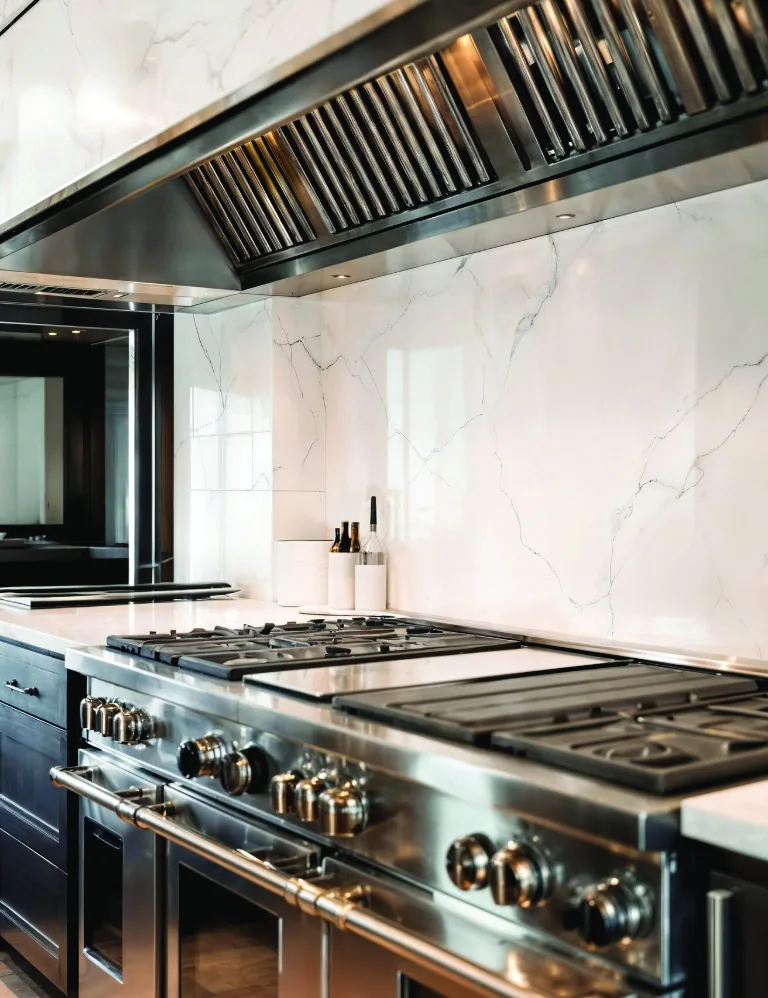
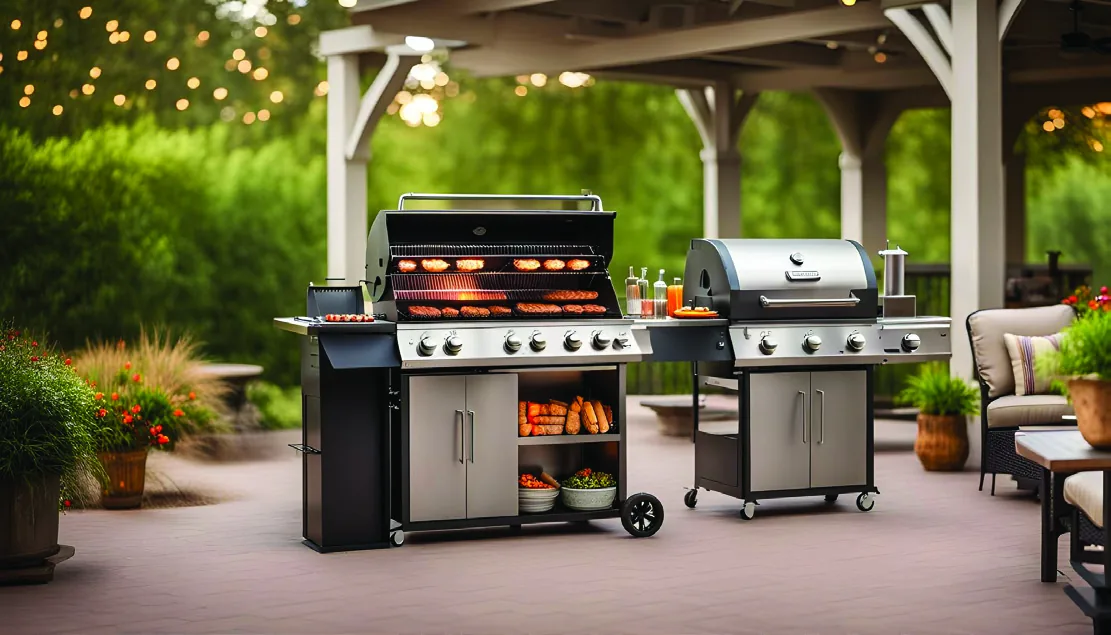
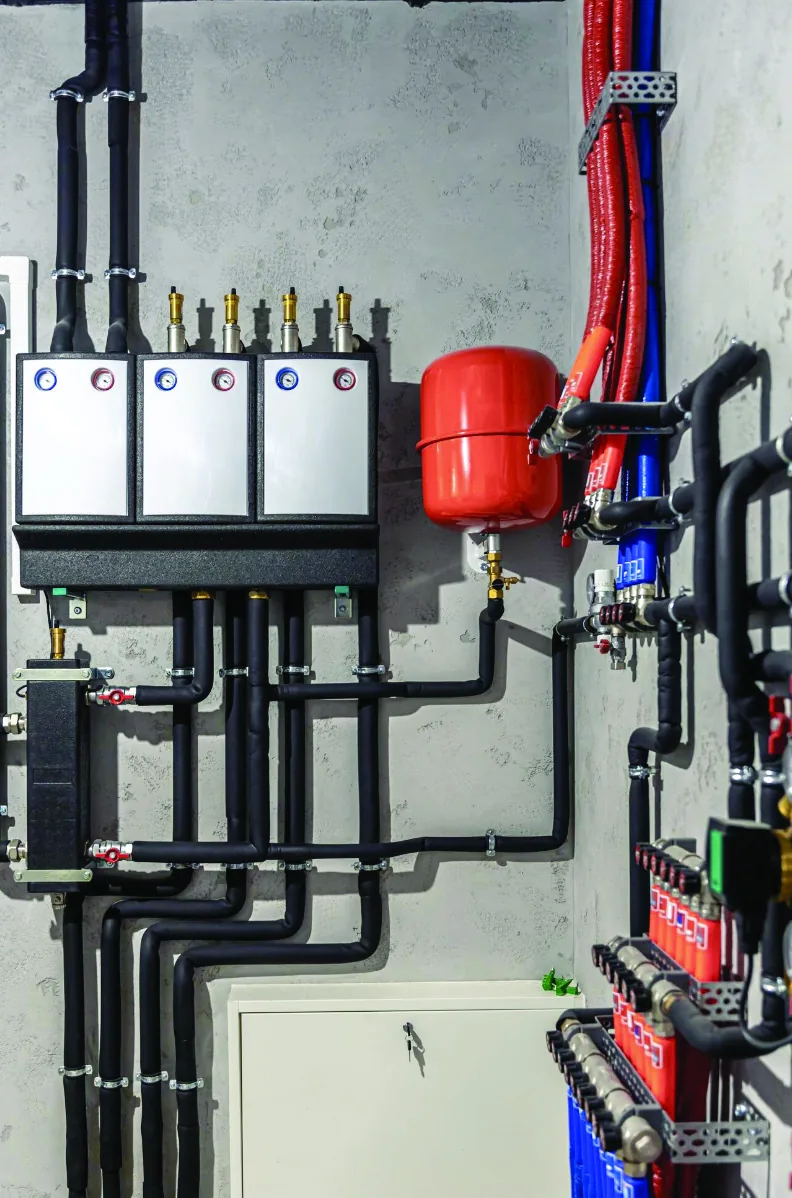
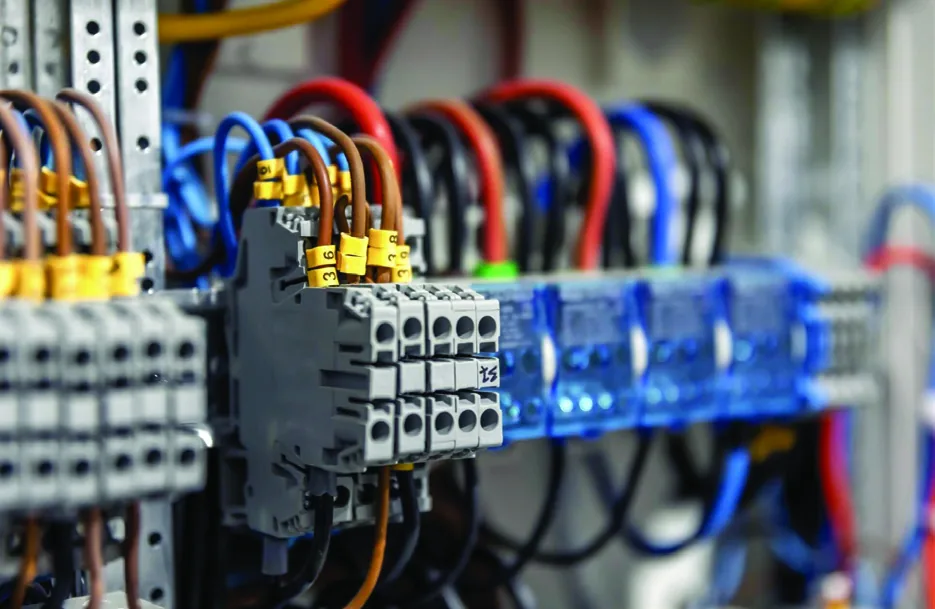
A commercial kitchen fire suppression system protects four things at once: the cooking appliances, the open-flame equipment beside them, the exhaust hood and duct above them, and the auxiliary systems that shut off gas and power on discharge. Leaving any one of the four out leaves the hazard connected but only partly covered.
Cooking Equipment
- Deep Fat Fryers
- Griddles
- Cooking Ranges
- Woks
- Ovens
- Salamanders
Open-Flame Appliances
- Charbroilers
- Lava Rock Grills
- Rotisserie Equipment
- BBQ Stations
Exhaust Protection Areas
- Kitchen Exhaust Hoods
- Exhaust Ducts
- Plenums
- Filters
Auxiliary Protection Systems
- Gas Shut-Off Systems
- Electrical Shutdown Systems
- Alarm Interface Systems
Why coverage drifts over time
Kitchens change constantly. A fryer is replaced with a larger model, a griddle moves half a metre to make room for prep space, a charbroiler is added for a new menu. Each change is small on its own, and each one can move an appliance outside the coverage the nozzles were designed for.
This is the single most common gap we find during inspections: a system that is charged, in date and correctly maintained, protecting a kitchen layout that no longer exists. If your kitchen has been altered since the system was installed, a coverage review is the fastest way to find out where you actually stand.
Related services
- Design & Engineering — hazard evaluation and system design
- Inspection Services — coverage review after kitchen changes
- Preventive Maintenance — nozzle and detection line servicing
Frequently asked questions
Which appliances create the greatest kitchen fire risk?
Deep fat fryers and open-flame appliances such as charbroilers and lava rock grills. Cooking oil burns hot, holds its heat and can re-ignite after the flame appears to be out, which is why wet chemical agents are used rather than dry powder or water.
Does the exhaust hood need protecting as well as the appliances?
Yes. Grease accumulates in the hood, duct, plenum and filters, so a fire that starts at appliance level can travel upward. A properly designed system treats the appliances and the exhaust path as one connected hazard.
What are auxiliary protection systems?
Gas shut-off systems, electrical shutdown systems and alarm interface systems. They cut the fuel and power feeding the fire and raise the alarm at the moment of discharge, so the suppression agent is not fighting a hazard that is still being supplied.
We added a new appliance under the existing hood. Is it protected?
Not automatically. Nozzles are aimed at specific appliances in specific positions. Adding, moving or replacing an appliance can leave it outside the designed coverage, so book a coverage review through Inspection Services after any kitchen change.